Blog · · 3 min read
reads.city is the new Strava for reading
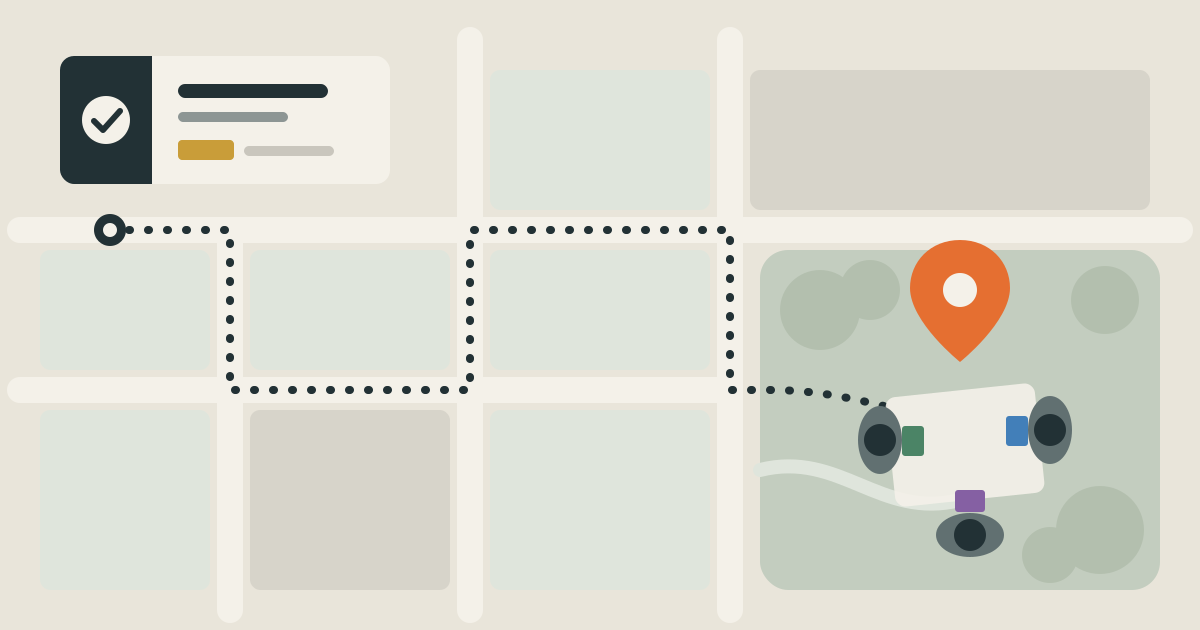
Ask a runner how they kept going past the first month and you usually hear about two things: the club that meets on Sunday morning, and the app that records every run. The club gets you out of the door, and Strava makes each run count for something, even the slow ones. Reading has the problem running used to have. Most of us mean to read more, and by Wednesday the phone has usually won. We built reads.city to give weekend reading the same pull, and left out the parts that would not suit a book.
A fixed time and place does most of the work
A run club asks very little of you. Be at the park gate at 7 on Sunday and go at your own pace, with coffee afterwards for anyone who stays. The fixed time means there is nothing to decide, and knowing people will be there is often enough to get you up.
Silent reading clubs work the same way. Most weekends more than 40 meetups are on across 20 Indian cities, nearly all of them in parks and cafes on Saturday or Sunday. Some share ground with the runners: Bandra Reads meets at Jogger’s Park in Bandra West at 8 on Sunday morning, East Pune Reads at Jogger’s Park in Kalyani Nagar on Saturday, and Bessy Reads on Besant Nagar Beach at 7 on Sunday. You bring your own book, read for an hour or two in quiet, and talk afterwards if you want to. What is a silent reading club? has more on how a meetup runs.
Showing up is the activity
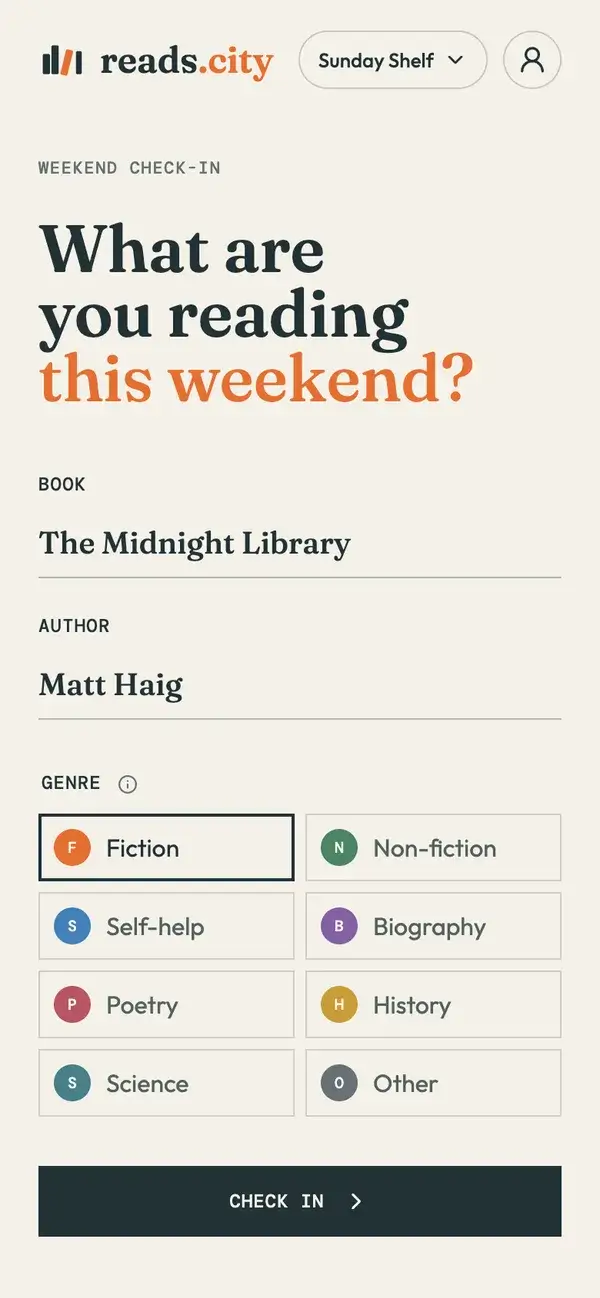
On Strava a run counts once you record it. On reads.city a meetup counts once you check in. When you get there, tap Check in and add the book you brought, its author and its genre. If you are still on last week’s book, Still reading it? fills it in again with one tap.
After that the phone goes back in your bag for the rest of the meetup.
A timeline of every meetup you came to
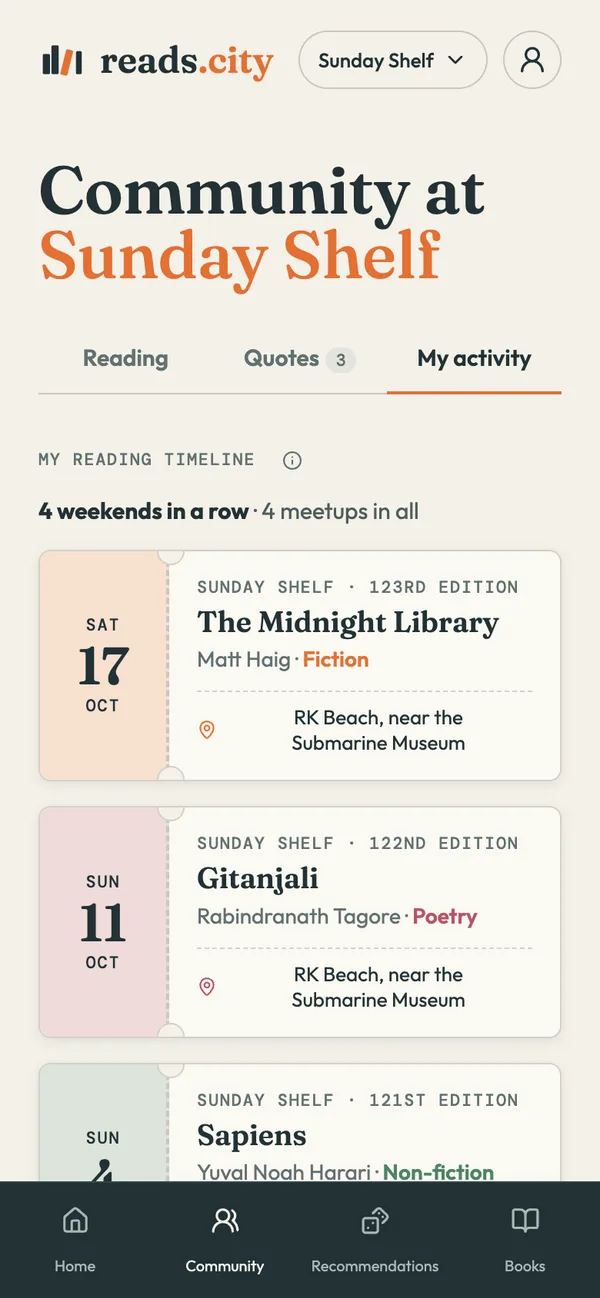
Runners like scrolling back through months of runs. My activity is the reading version: one entry for each meetup you checked in at, newest first, with the date, the club, the book, its genre and the place. Meetups with another club, or in another city, go into the same timeline.
At the top is your weekend streak, shown as “3 weekends in a row”. If you miss a weekend it goes back to counting your meetups so far. Only you see it, and the app never sends you reminders to keep it going.
Your club, without the feed
Part of Strava’s pull is seeing that your club went out too. On reads.city that is Community, and it never shows names. It counts the readers who checked in at your meetup and the books and genres they brought, with a bar for each genre. You and the group tells you, privately, how many others are reading your genre, or even your book.
Then the group holds up their phones for the photo. Each screen fills with the colour of its reader’s genre, so the photo shows the mix of genres in the group. What is a Reading Colour? explains the colours.
What we left out on purpose
Strava has segment leaderboards, kudos and a feed of everyone’s activities. They suit a sport where pace can be measured and compared. A week spent on forty pages of a hard book is a good week, and nobody should rank it. So reads.city has:
- no leaderboards or rankings
- no count of pages or minutes
- no kudos or likes
- no names on check-ins or in the reading stats
- no chat in the app
You do see names in two places, because they are useful there: on the Books boards, so you know who is lending a book or looking for one, and on Recommendations, so you know who suggested a book.
Where reads.city comes in
reads.city is a local reading discovery platform: reading clubs, book cafes and places to read, city by city. It is free, and you sign in with Google. Find your city, pick a club and its next meetup from the schedule, and check in when you arrive. How to use reads.city goes through each step.
If you already run on Sunday mornings, try reading on one of them. Find your city and take along whatever you are reading.